
In the Virtual Flight Course, you were introduced to some of the modules used with the VEX AIR Drone as you flew to interact with objects on the field. In this lesson, you will learn more about the three modules that can be used with the drone and what movements are needed to interact with objects using each module.
Watch the video below to learn about:
- Why you should always fly with a module attached to the drone.
- How modules enable the drone to interact with the indoor environment.
- What the three available modules are.
Hover & Discover
The propellers of a drone create downwash, pushing air downward to generate lift and keep the drone in the air.
When flying close to the ground, this air hits the surface below and reflects back upward, creating turbulent airflow around the drone. This turbulence can make the drone less stable and more difficult to control.
Downwash is most noticeable during takeoff, landing, or when flying low (especially when collecting or carrying cargo) which can add additional instability. Understanding downwash helps explain why maintaining appropriate height and making smooth, controlled movements can improve flight stability. This context will be useful as you start to experiment with picking up and moving objects using the drone.
Mission: Module Exploration
The goal of this mission is to focus on the way the drone needs to move in order to successfully manipulate objects with each of the modules. Follow these steps to complete the mission:
- Set up a testing area with orbit balls (shown on the left) and cargo (shown on the right) that can be manipulated by the modules.
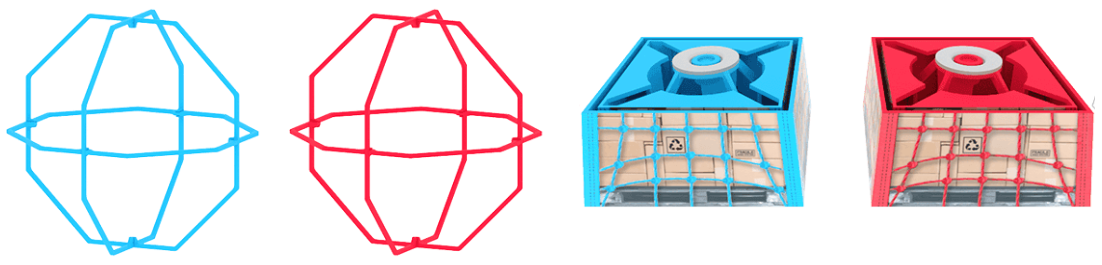
- Attach one module to the drone. Move the drone by hand to pick up and release the objects.
- Record how you need to move the drone and/or module in order to successfully pick up and drop each object in your Mission Log (Google Doc / .docx / .pdf).
- Repeat this process for each of the other modules.
Real-World Connections
In professional drone operations, pilots and mission planners must decide exactly what equipment a drone will carry before takeoff. For example, a drone used for infrastructure inspection might carry a high-resolution camera, while a search-and-rescue drone might carry medical supplies. Each added tool or payload increases weight and changes how the drone flies.
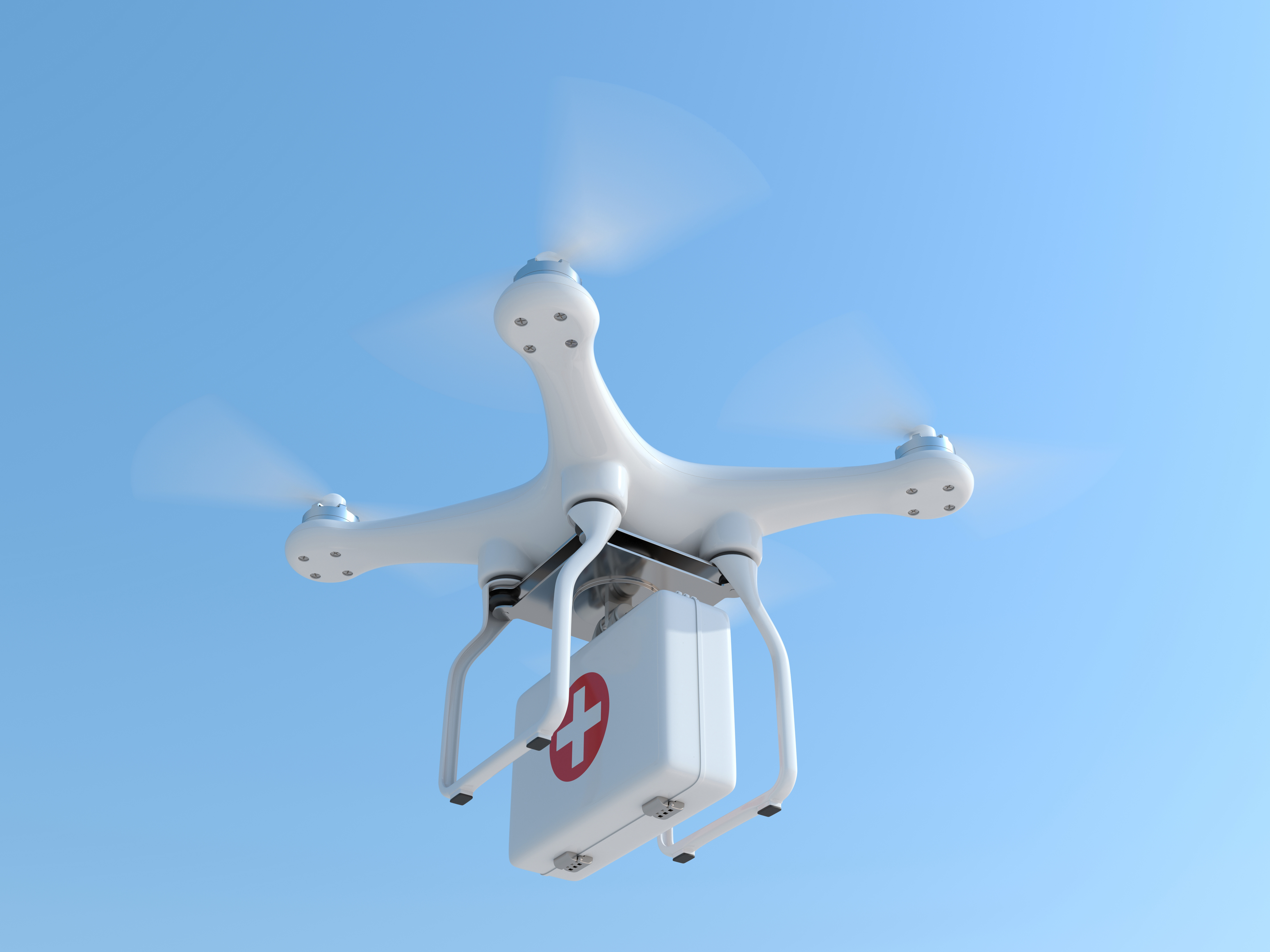
Commercial drone pilots and aviation teams calculate how payload affects stability, flight time, and battery use before every mission. If a drone is carrying extra equipment, like the one shown here, pilots may shorten the flight path, reduce speed, or swap batteries to ensure the mission can be completed safely. Real drone professionals balance performance and payload to make smart, mission-ready decisions, just as you will do when flying object-oriented missions.
Check Your Understanding
Before moving on, ensure that you understand the concepts in this lesson by answering the questions here (Google Doc / .docx / .pdf).
Select Next > to move on to the next lesson.