Background
In this Unit, students will learn about the pantograph and how it can be used to draw designs at different types of scale, enlarging or reducing the image being drawn.
What is scale?
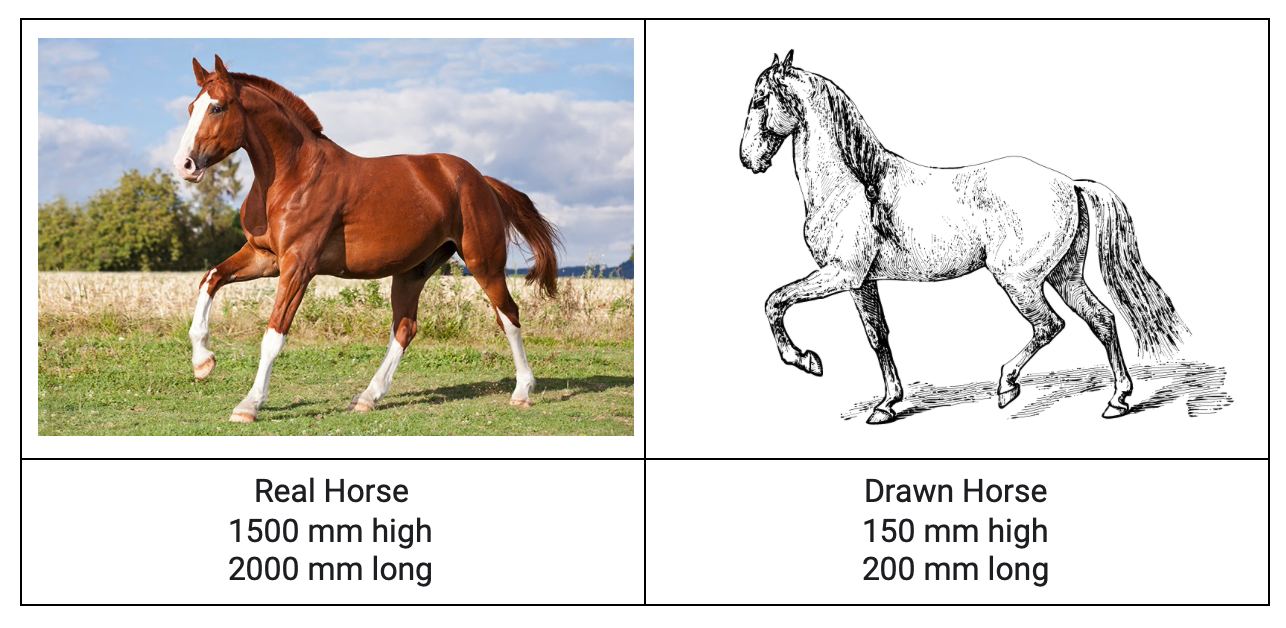
Scale tells how the measurements in a drawing represent the actual measurements of the actual object. As a shape is enlarged or reduced, its perimeter or circumference is scaled up or down by a specific factor. In other words, if a square is enlarged by a scale of 10, the perimeter is increased 10 times the size.
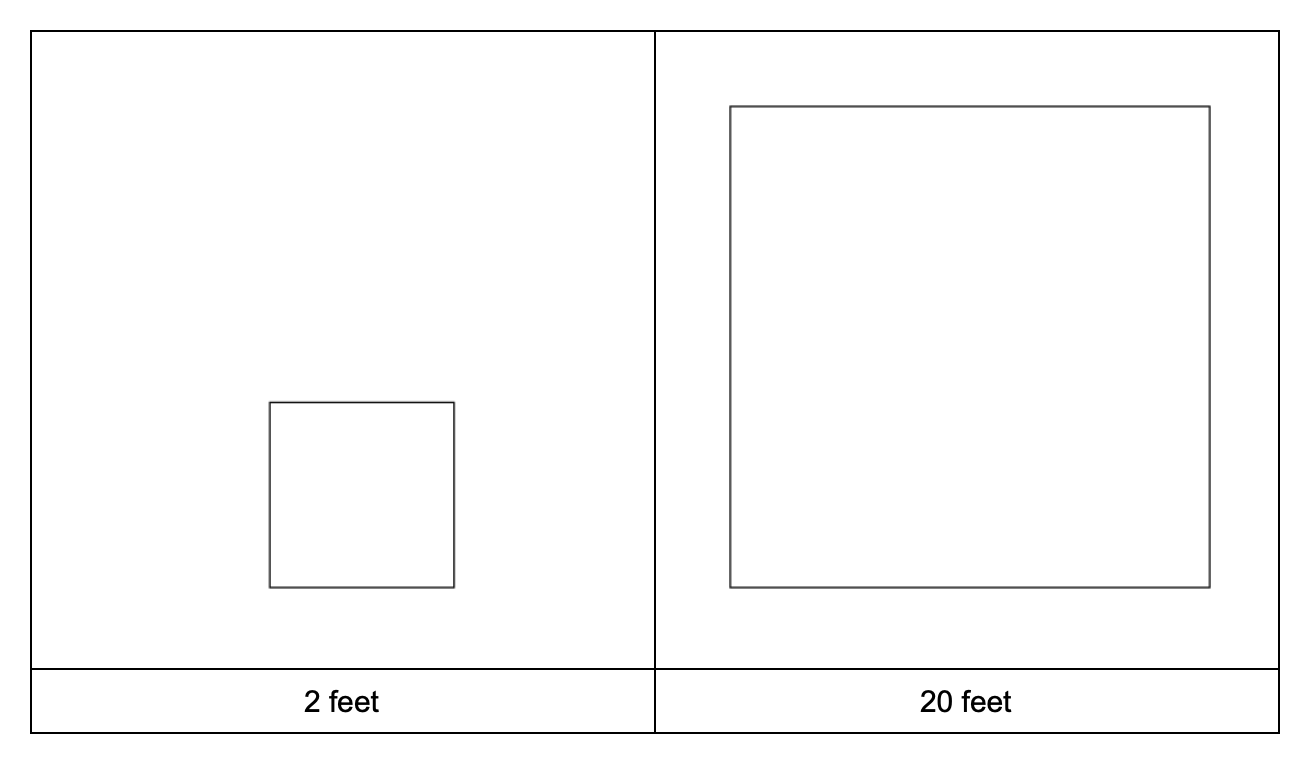
Any object can be enlarged or reduced by scale in a drawing. Scale is written as the new size, a colon and then the matching length of the real object. In the example, 1:10, 1 foot in the picture would be the same as 10 feet in reality. Scale is a useful tool because it can be used to visualize and plan projects.
What is a pantograph?
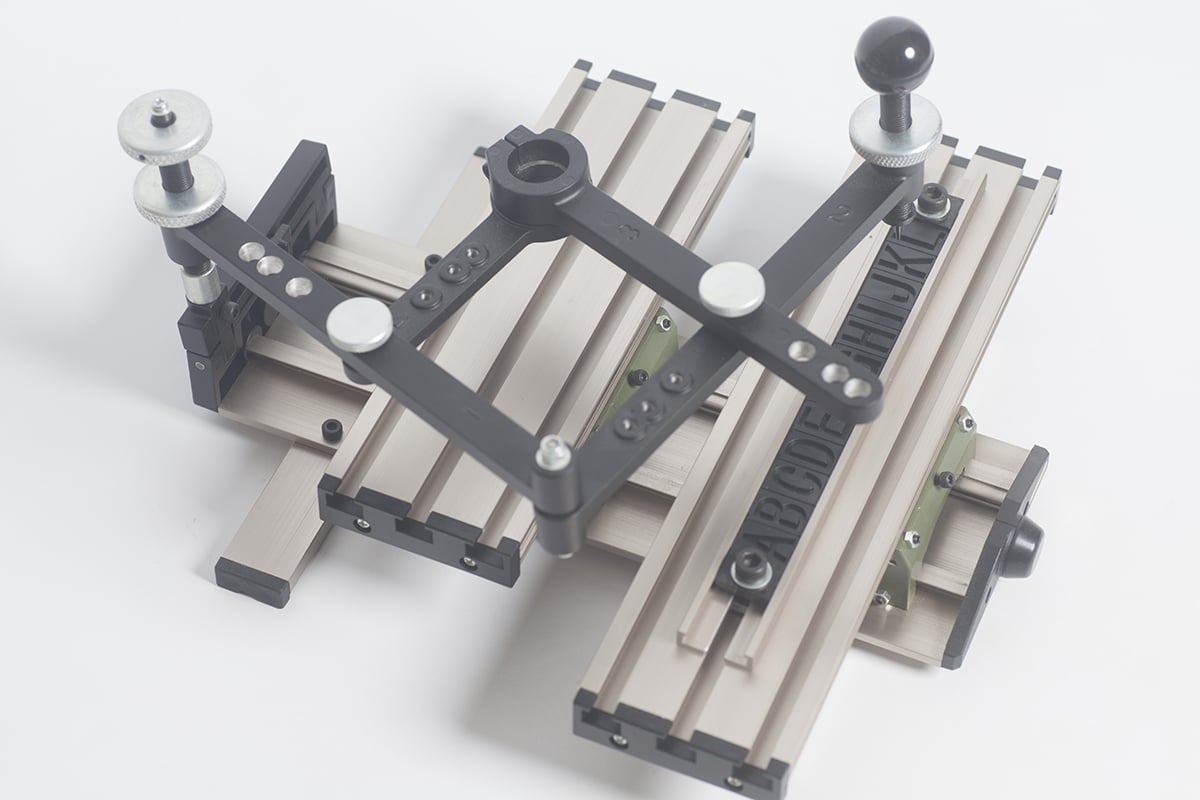
The pantograph was designed in 1602 by Christopher Scheiner. One arm contained a small pointer, while the other held a drawing implement. By moving the pointer over a design, he was able to copy the design on another piece of parchment. A pantograph is a mechanical linkage based on parallelograms, so that the movement of one writing instrument produces movements in another writing instrument in an identical, enlarged, or miniaturized manner. The scale of the image is changed by moving the position of the arms in the linkage between the pointer arm and drawing arm.
What is a design bid?
A design bid is a proposal that is presented to a client in hopes of landing a job. The bid consists of documents that spell out the plan for a design project, including a drawing of the design, list of materials, cost, and benefits of the proposal. Clients compare the bids and decide on which one they would like actually like to have created or built.