
Before you can begin to fly the VEX AIR Drone indoors, every drone pilot needs to understand their equipment. In this lesson, you will explore the parts that make up your VEX AIR Drone Kit and learn the purpose of each element. You will use your physical kit and resources like the VEX Library as your guide.
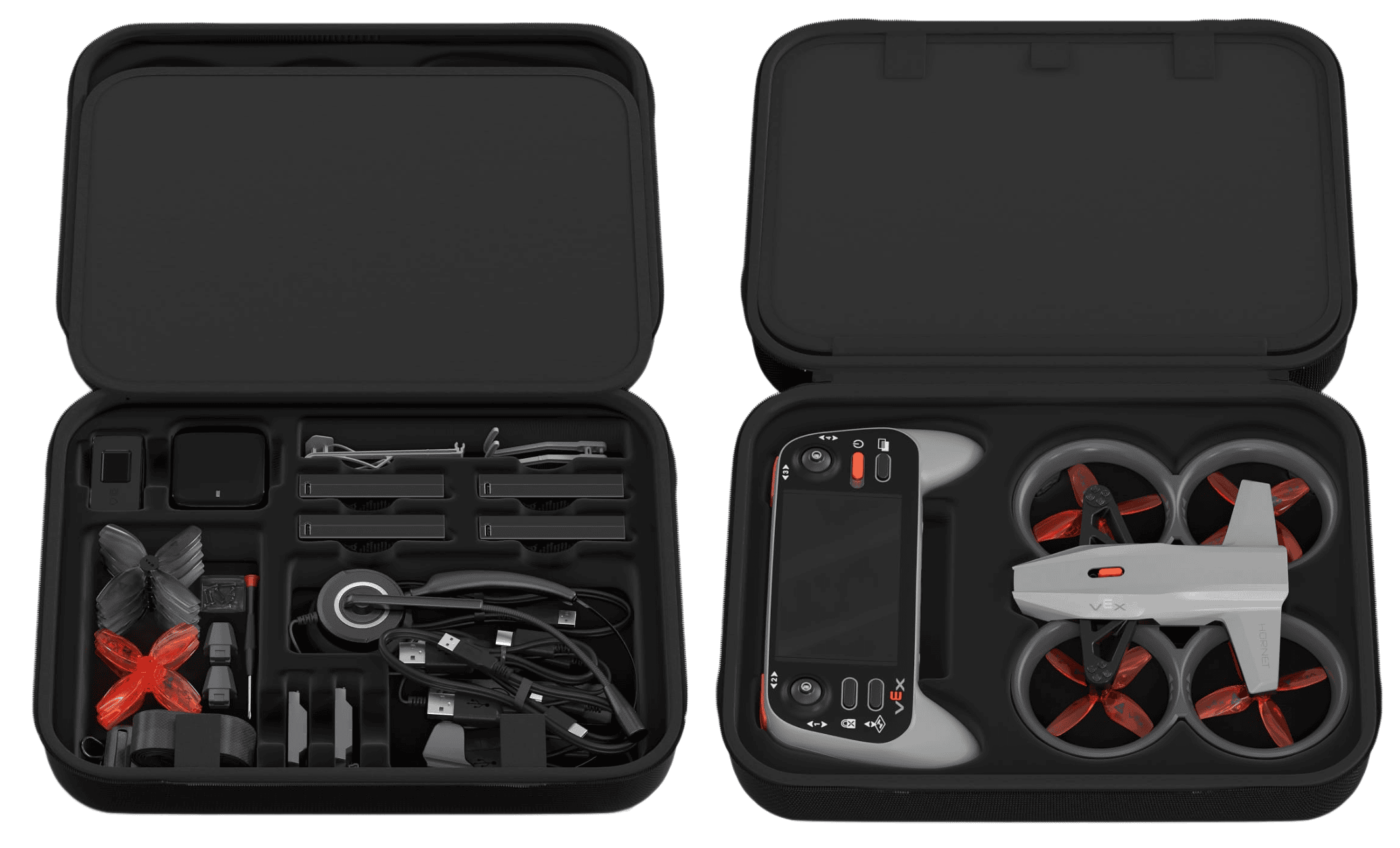
By the end of this lesson, you will be able to identify each part, explain what it does, and understand how all the components work together.
Mission: Explore the Kit
Your task is to explore and learn about the parts of the VEX AIR Drone Kit. You’ll choose one of the missions below to complete. Each activity helps you learn what the parts are, what they do, and how they work together to make the drone fly.
- Start by reading the Overview of the VEX AIR Drone Kit VEX Library article. It will help you identify the kit’s components, their names, and what each one is used for.
- Complete one of the following activities using the article, kit, and any other resources provided by your teacher.
| Kit Photo/Video Catalog | Drone Parts Matching Game | Part-To-Purpose Sort |
Create your own digital guide of the VEX AIR Drone Kit.
Take clear photos or video of the main elements of the kit. Label the digital documentation with each part's name and purpose, and organize it into a resource to share with the class! This could be a documentary-style video, a slide deck, or a photo-album style presentation. | Test your part recognition and function knowledge.
Create your own memory/matching game using images of the kit components. Each image should have a matching card that describes the name and purpose of the part. Then play your game! How quickly can you match them all? | Sort all components of the kit into function categories.
Using the physical pieces or a digital representation of the kit, create categories for the parts. This could include power system, flight system, maintenance, etc. Write a description of each grouping to explain why those parts of the kit are in that category. |
Real-World Connections
Drones are used for more than just fun, they’re powerful tools used all around the world in many different ways. The skills you are learning with your drone are the same ones real drone pilots use in industries, public service, and recreation.
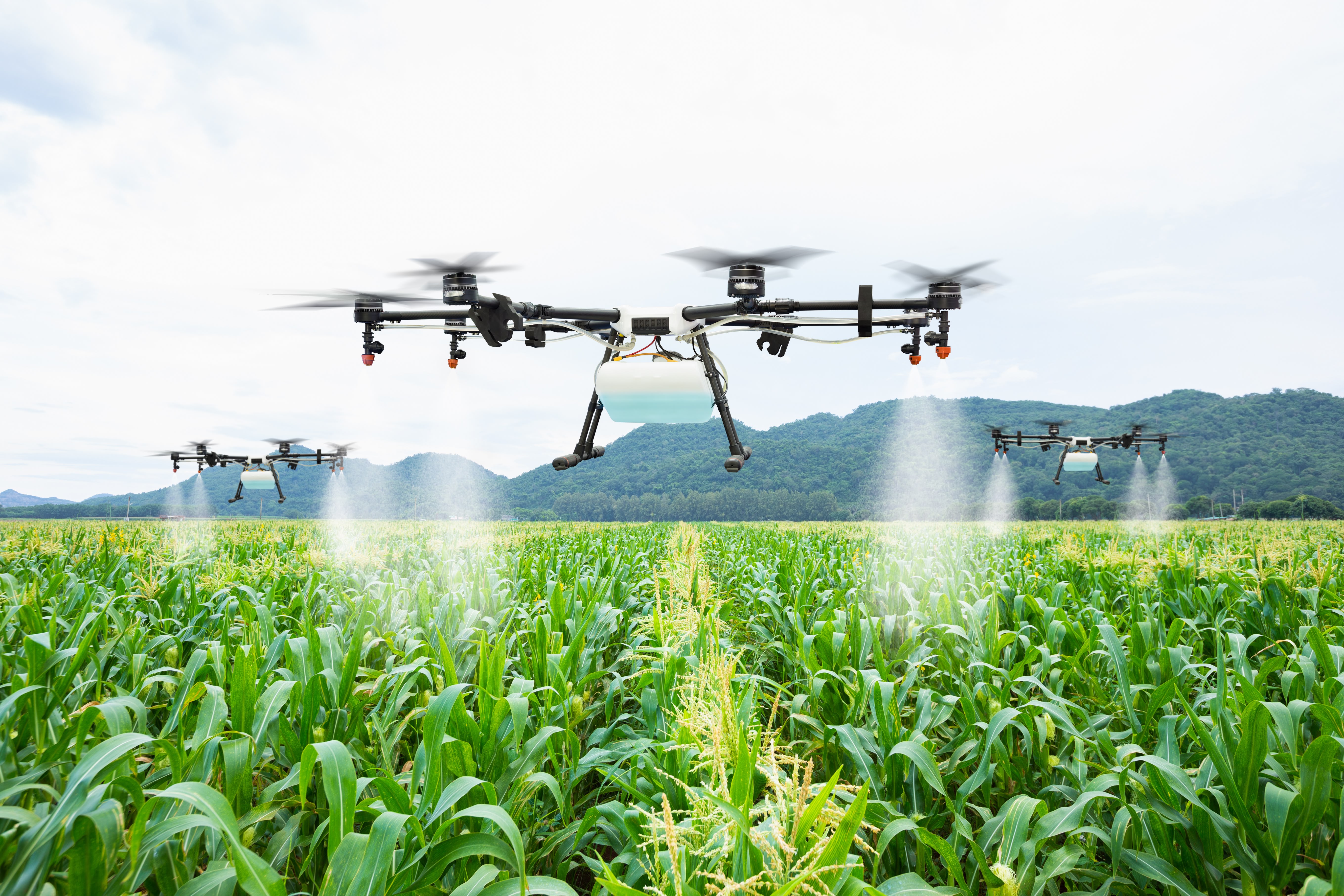
Industry
In construction and agriculture, drones, like the commercial drone shown here, help professionals see things from above. They can survey land, monitor crop growth, and check structures safely and quickly. This saves time and gives professionals who are licensed to fly outdoor drones data they can’t get from the ground.
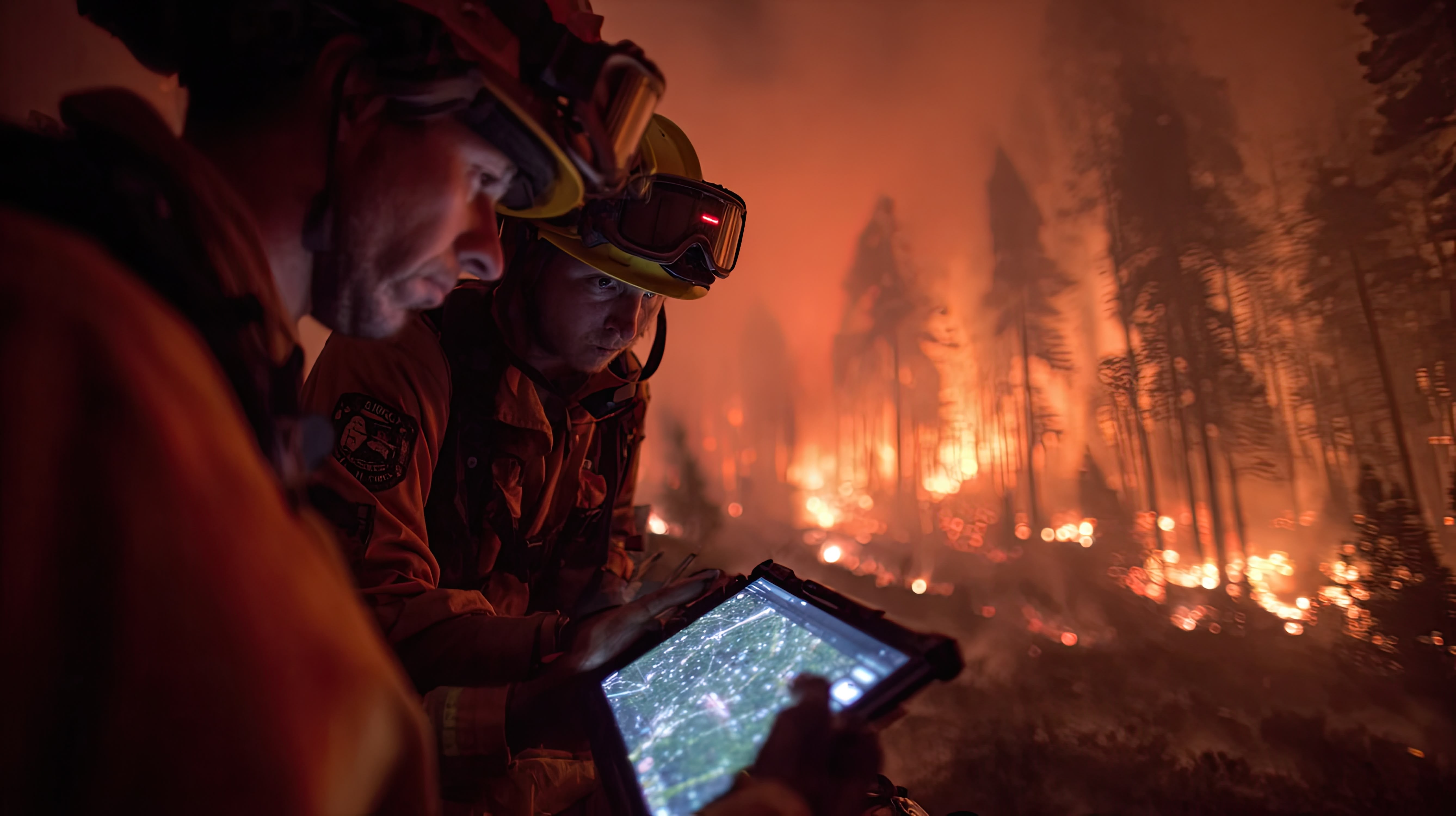
Public Safety
Professional search and rescue teams use commercial drones, like the one shown here, that can be flown outdoors to find missing people in hard-to-reach areas. Firefighters and police use them to assess dangerous situations from a safe distance. Quick, accurate aerial views can save lives.
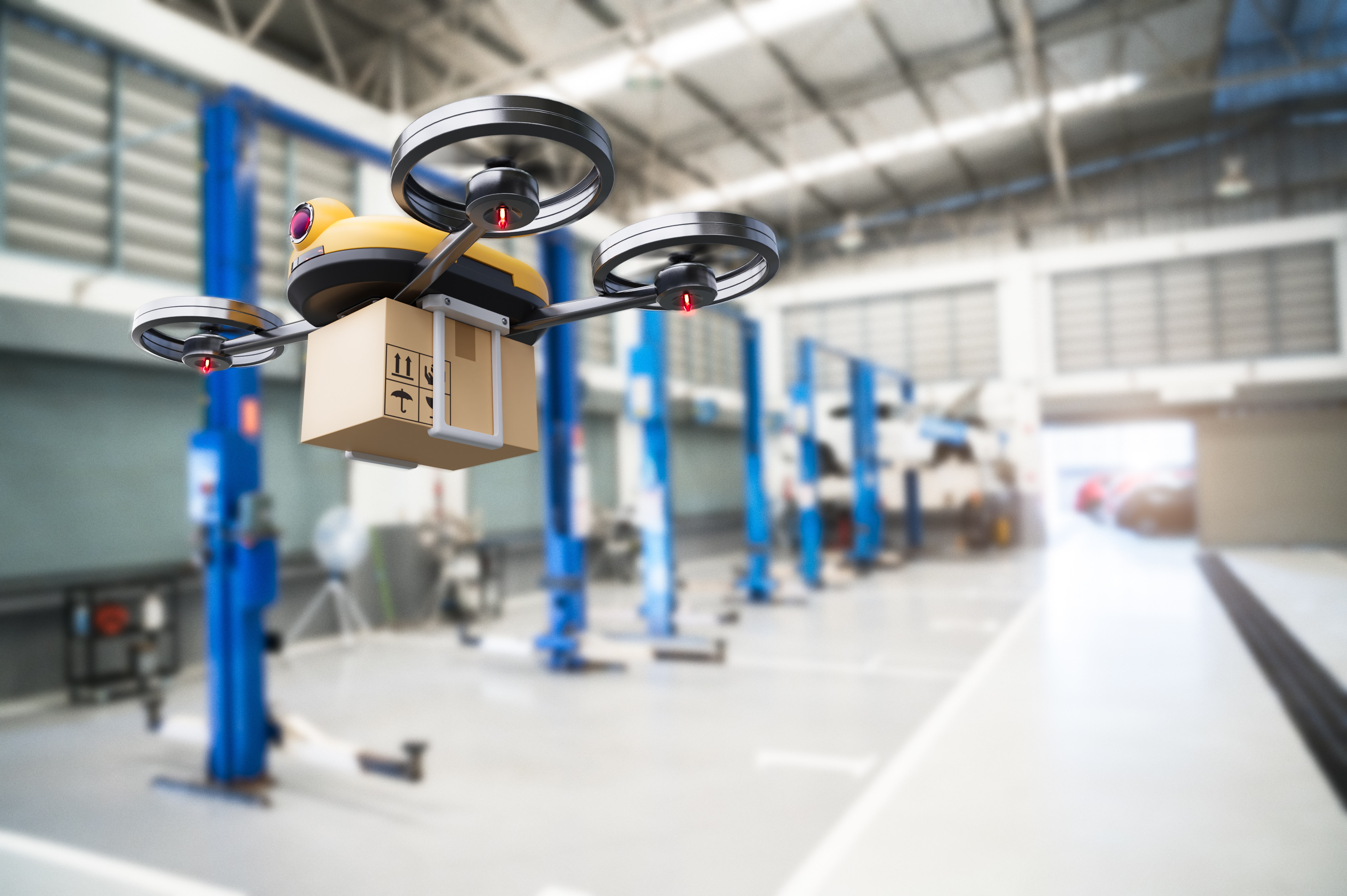
Delivery and Transportation
Companies are developing drones to deliver packages, medicines, and supplies. In areas that are hard to reach by road, these drones can make transportation faster and more efficient.
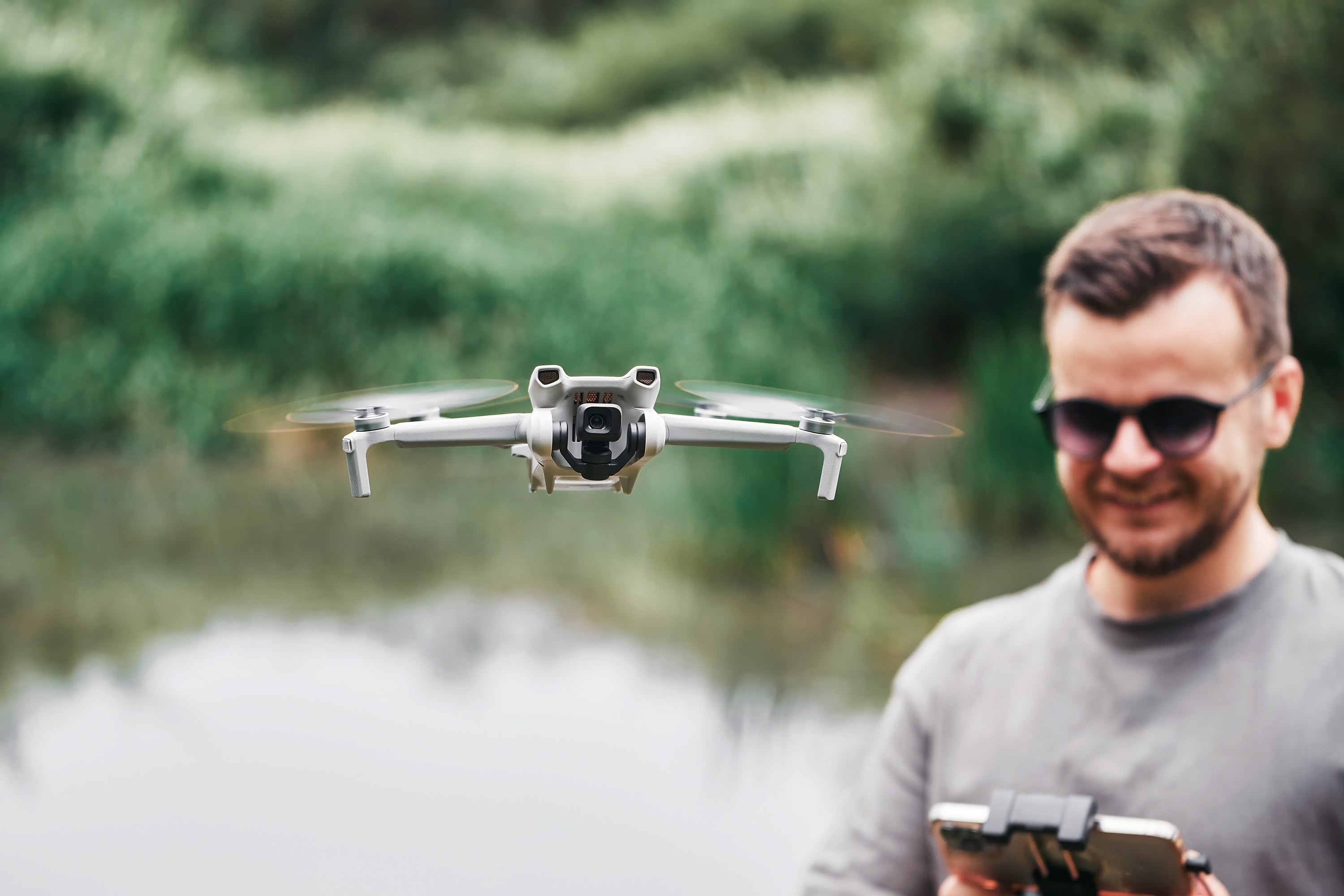
Recreation
Many people fly hobby drones, like the one shown here, just for fun or to capture photos and videos from new and unique perspectives. Recreational flying helps pilots build the same skills professionals use when flying outdoor drones, like precision, coordination, and problem-solving.
Check Your Understanding
Before moving on, ensure that you understand the concepts in this lesson by answering the questions here (Google Doc / .docx / .pdf).
Select Next > to move to the next lesson.