
Engage
Launch the Engage Section
ACTS is what the teacher will do and ASKS is how the teacher will facilitate.
| ACTS | ASKS |
|---|---|
|
|
Getting the Students Ready to Build
Let’s think about the kinds of natural habitats we described. If we could build a habitat together, which should it be?
(List habitats and vote on them. Habitats could include rainforest, lakeside, etc.)
Facilitate the Build
-
InstructInstruct
students to join their groups and fill out the Robotics Roles & Routines sheet. Use the Suggested Role Responsibilities slide in the Lab Image Slideshow as a guide for students to complete this sheet.
Instruct students that together, they are going to construct the frog habitat.
They will model it on one of the sample images. Have students vote on which of the two samples to use.
Sample 1:
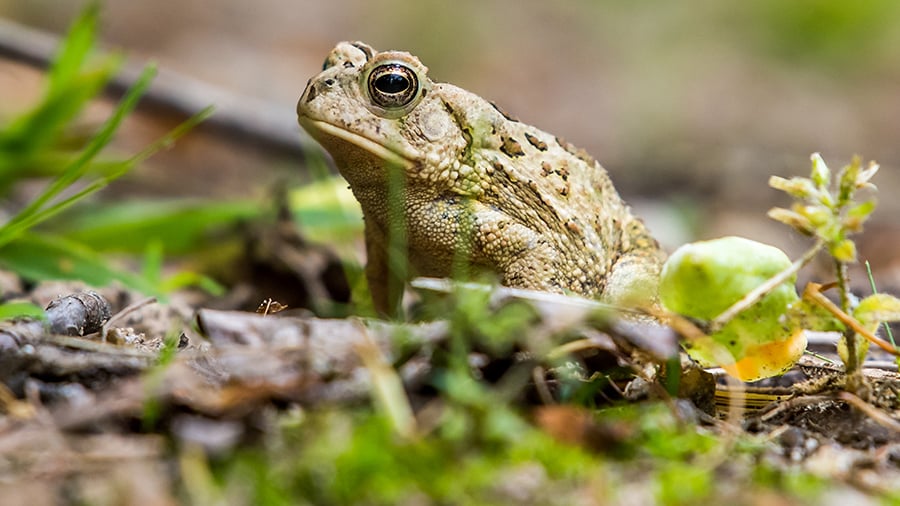
Frog in Habitat (1) Sample 2:
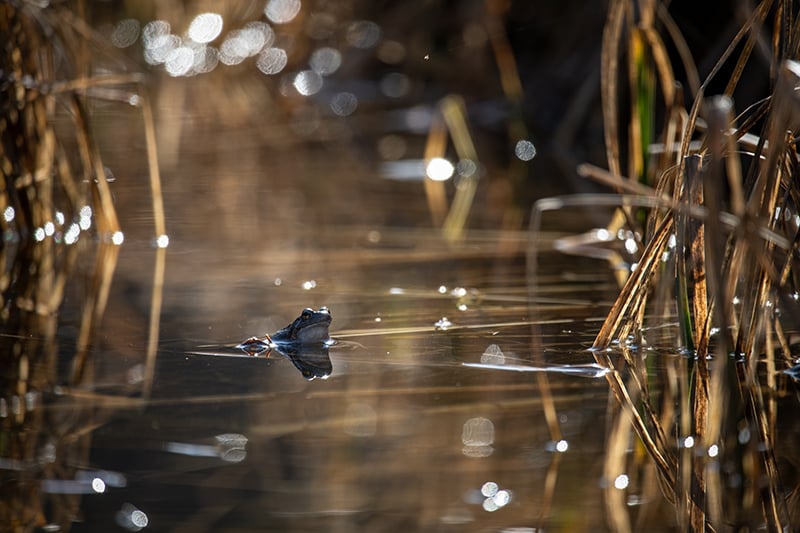
Frog in Habitat (2) -
Using the VEX GO Kit materials and classroom craft materials, students will build a habitat for a frog.
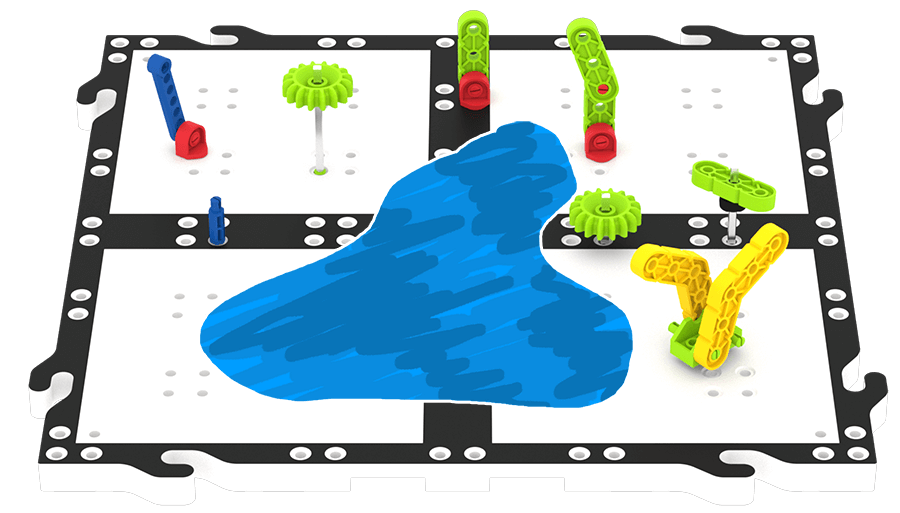
Build a Frog Habitat - Students will work in their teams to create an element of the habitat and will put it together with the teacher to create a diorama like set up.
- The habitat will be used as a staging space for the rest of the unit, so must be big enough to include multiple frog models at a time.
-
-
DistributeDistribute
kit materials, pencils, and paper to each group, and review what classroom craft materials are available.
Each group should take a turn to state what part of the environment they are working on before they start building, to make sure all important elements are included.
-
FacilitateFacilitate
the building process by asking questions as you help groups put their pieces together.
- How does your build connect to the other groups’ work?
- How do you think we could represent water in our habitat?
- How can we represent nature well in the habitat?
- OfferOffer suggestions and note positive team building and problem solving strategies as teams build together.

Teacher Troubleshooting
- Student Help Desk: If you have certain students who seem to complete the build portion of labs quickly and successfully, assign them to be your “Help Desk” for a portion of the lab. Encourage other students to use the “Help Desk”, and for those working there to practice explaining their strategies and connections to others.
- Note: The Help Desk is for another perspective, not to be building things for your friends.
- Prefabricate a habitat box: You may want to reign in your students’ habitat building, by offering a defined space as a boundary for the habitat. You may want to add some initial elements to signify the land, water, etc. A cardboard box can come in handy for this, just make sure that it is large enough that multiple students can have their hands in it at the same time.
Facilitation Strategies
- Draw it! If students do not have access to a camera or device, they can just as easily sketch their habitats.
- Field Journal Writer’s Block? Offer students guiding questions to help them get underway. Once they’ve decided on their perspective, ask questions like:
- Frog’s perspective: How does it feel to change as you grow? What is the tadpole looking forward to about growing up? What is something new it can do with legs? Where does the tadpole like to do all day? What is its favorite meal?
- Scientist perspective: What did you notice about the tadpole when it hatched? How big or small is it? What is unique about the legs when they start to grow? How can the tadpole interact with its environment differently than the frog? What similarities do you see?
- Everyone will get a chance to build. Remind students that there are 4 models that will be created, so they will get multiple turns to be both Builders and Journalists throughout the unit. If turn taking is a problem, use a name pulled from a hat, or roll a die to help students make decisions about who goes first.
- Use the Get Ready...Get VEX...GO! PDF Book and Teacher’s Guide - If students are new to VEX GO, read the PDF book and use the prompts in the Teacher’s Guide (Google / .pptx / .pdf) to facilitate an introduction to building and using VEX GO before beginning the Lab activities. Students can join their groups and gather their VEX GO Kits, and follow along with the building activity within the book as you read.
- Use the Teacher’s Guide to facilitate student engagement. To focus on VEX GO connections in a more concrete or tangible way, use the Share, Show, or Find prompts on each page to give students an opportunity to get to know their kits in more depth.
- To focus on the habits of mind that support building and learning with VEX GO, like persistence, patience, and teamwork, use the Think prompts on each page to engage students in conversations about mindset and strategies to support successful group work and creative thinking.
- To learn more about using the PDF book and accompanying Teacher’s Guide as a teaching tool any time you are using VEX GO in your classroom, see this VEX Library article.