
Now that you have learned about what you will do in the Capstone Mission, you are ready to get started! You will follow a process similar to the one you used to complete the challenge mission in Unit 7. You'll begin by developing your flight plan, then practice your approach and refine your strategy based on what you learn. Finally, you'll take to the air, balancing speed and precision to score as many points as possible in this timed challenge.
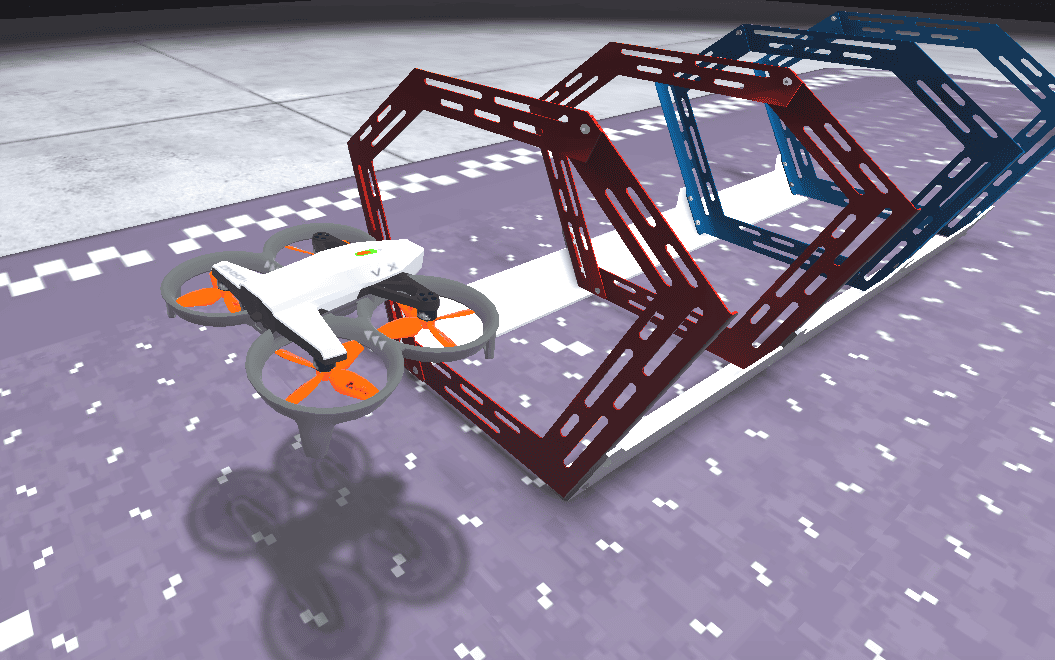
Capstone Mission
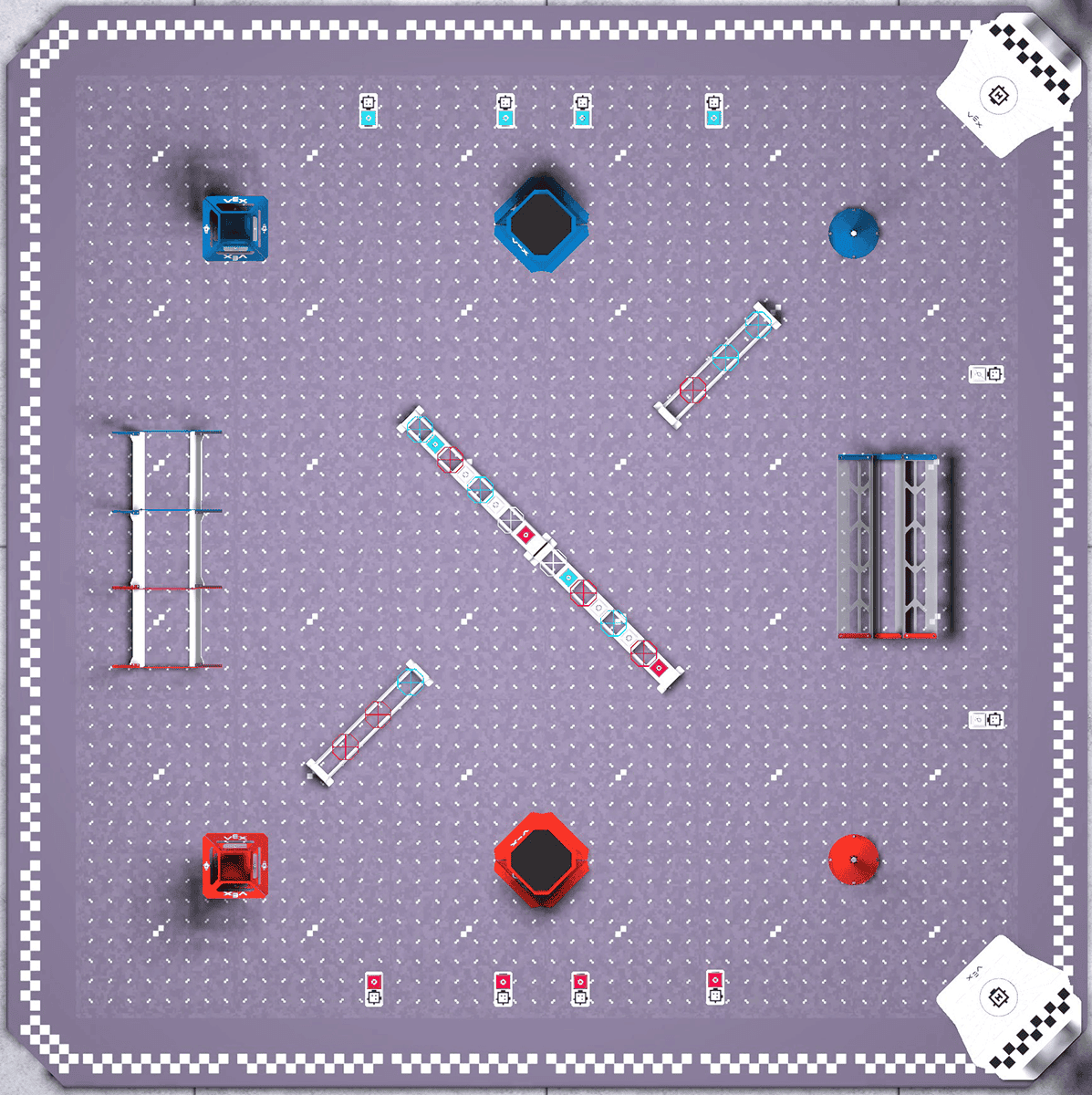
Mission Goal: Score as many points as possible in a four-minute timed challenge in the Competition layout in the VEX AIR Flight Simulator.
This mission will take planning and practice to complete. You will follow a multi-step process to help guide you through the challenge. Be sure to take your time through each phase of the process. All phases of the process are included in the Mission Log.
Use the Mission Log to record your progress through the challenge.
Google Doc / .docx / .pdf
Phase 1: Develop a Flight Plan
Creating a flight plan is essential to success in the Capstone Mission. While there is no one “right” way to complete the mission, it is important to think through different options for how you will approach scoring using each module. You will need to determine which combination of scoring tasks allow you to fly with the speed and precision needed to score the most points.
Use the Phase 1 section of the Mission Log to document your flight plan.
- Your flight plan should describe the path you intend to fly. This plan includes things like where the drone will fly, the module used, the order in which you will pick up and deliver objects, and the maneuvers needed to complete the path.
- Use the legend in the Mission Log for reference to help you communicate your plan.
- Document your decisions and why you chose that approach. Explain why you chose this path to try first and what advantages you think it gives you in the mission.
Pro Tip: Look back at your Mission Logs to get data about flying with different modules, and use that data to inform your decisions about your plan.
Check in with your instructor to share your flight plan before moving on to the next phase.
Phase 2: Practice Your Plan
Once your initial plan is ready, it is time to test it. Practice your plan to determine what adjustments can be made to optimize your ability to score points.
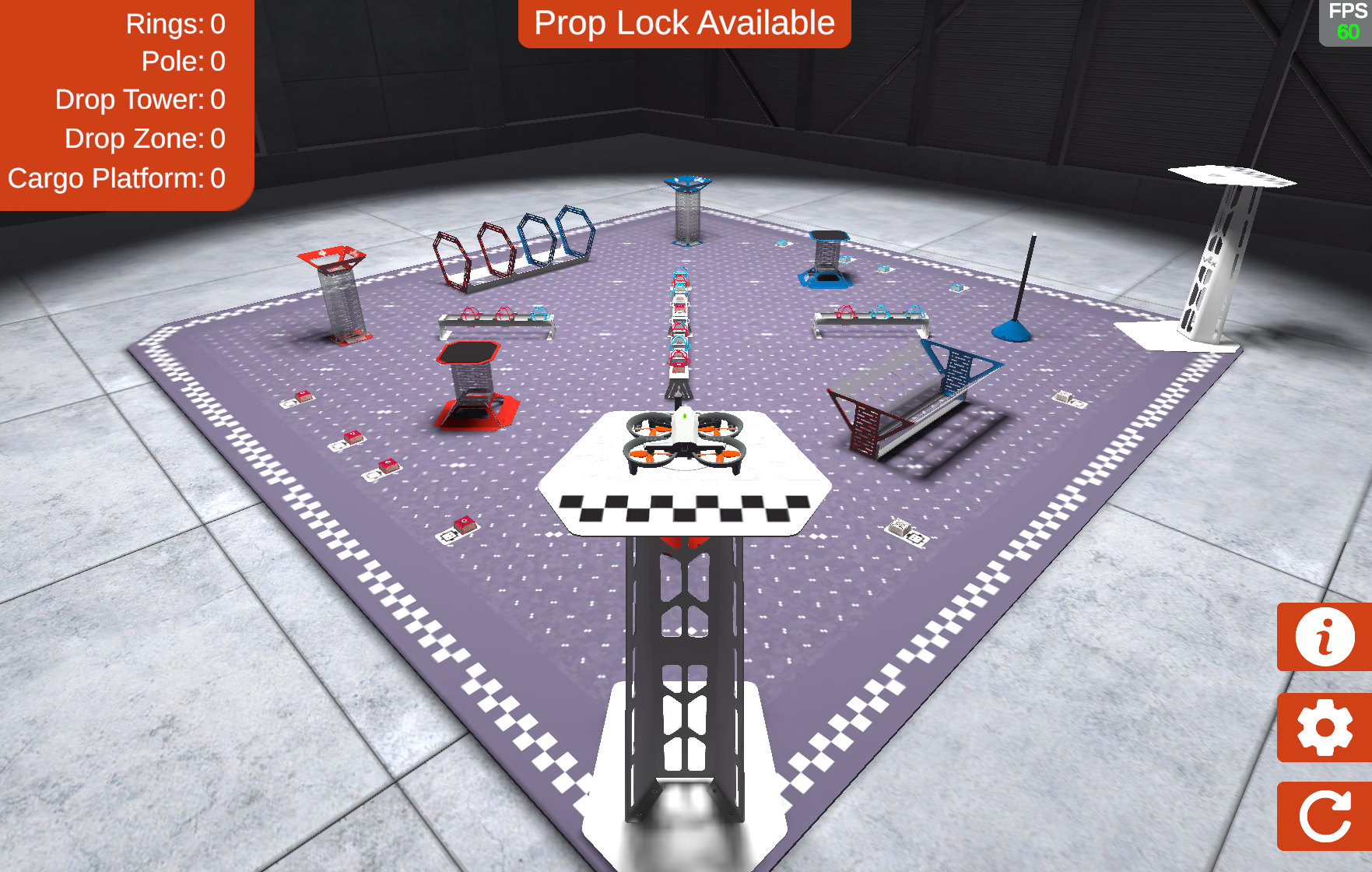
Practice flying your flight plan and record your flights in the Phase 2 section of the Mission Log.
- Document the same way you have in previous missions in this course. Note things you want to change in your plan.
- Record any changes made to the plan as you practice.
- Practice multiple times so you can evaluate how effective your flight plan is in the next phase.
Check in with your instructor after you have completed and documented at least five practice flights and are ready to move on to the next phase.
Phase 3: Refine your Flight Plan
Now that you have data and documentation about your performance from practicing, you are ready to refine and adjust your plan to optimize it for the Capstone Mission.
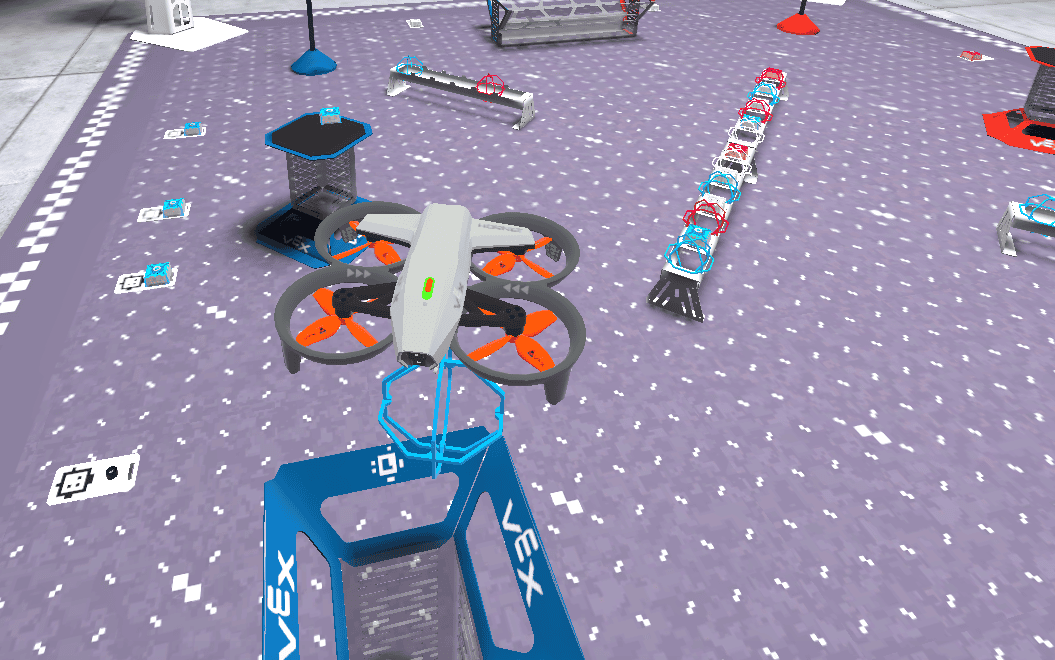
Use the Phase 3 section of the Mission Log to document your flight plan adjustments.
- Record any changes to the path based on practice. You can sketch or write a new route description based on your practice.
- Document why you are making those changes, and what data you used to inform your decisions.
- For example: Beginning my flight using the Motorized Hook Module helped me to score more points because…
- Remember that flight plan adjustments can include things like camera views, movement modes, or steering mode changes that make your plan more effective.
Check in with your instructor to share your refined flight plan before going back to practice your new flight plan or moving on to the Capstone Mission.
Phase 4: Fly the Capstone Mission
Now that you have created a plan, practiced, and refined your strategy, it is time to fly your Capstone Mission! Your goal is to score as many points as you can in a four-minute flight.
Follow your refined flight plan, and document each flight. Complete multiple attempts, focusing on incremental improvement each time.
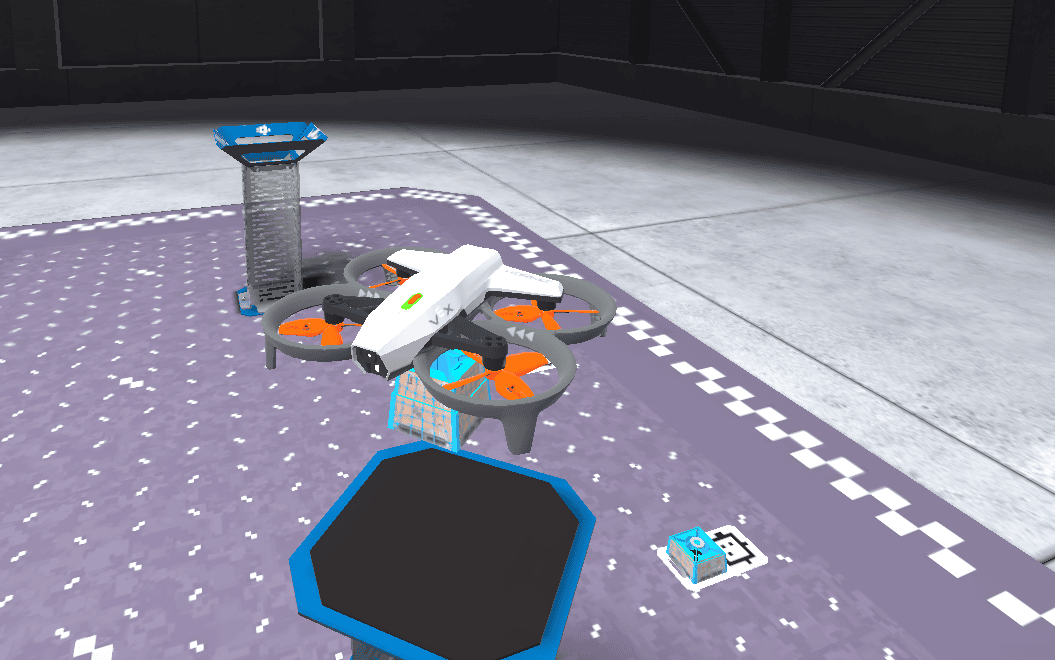
Use the Phase 4 section of the Mission Log to record your flights.
- Record each flight and note areas where you could improve speed or accuracy to score more points.
- Pay special attention to any problem areas, for example, areas where collisions may slow you down, or the difficulty in picking up an object outweighs the benefits of the points it could help you score.
Once you have practiced the mission and logged your practice flights in your Mission Log, complete the Capstone Mission in Flight School.
- Read the VEX Library article Using Flight School in the VEX AIR Flight Simulator for instructions on how to access and use Flight School.
- Find badge criteria for the mission in the Mission Log.
- When you have completed your Flight School mission, add your name to your badge.
- Save your badge, and share it with your instructor as directed.
Select Next > to move on to the Course Wrap-Up.